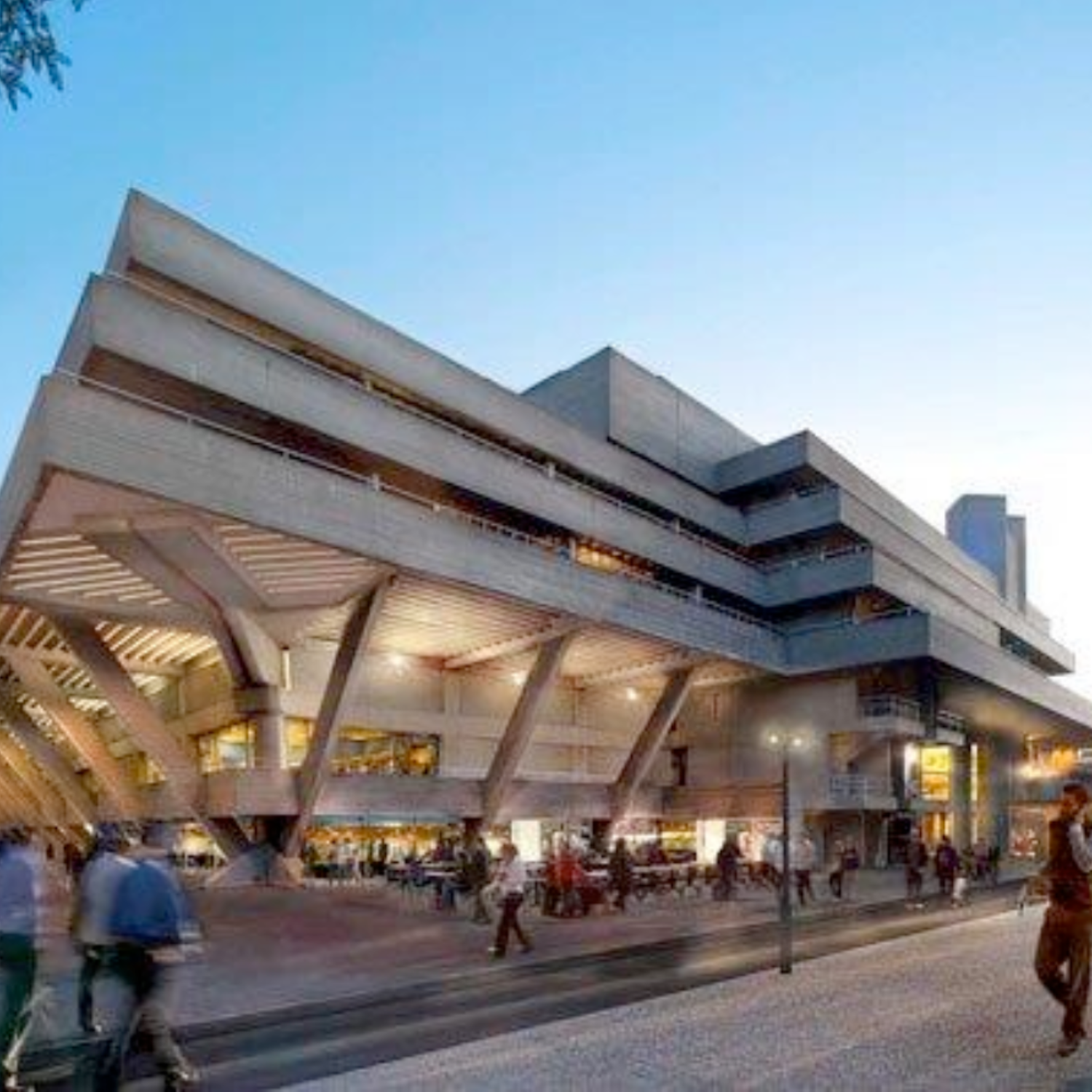
A three-phase masterplan renovation of one of London's most important cultural buildings.
The National Theatre Masterplan involved the comprehensive renovation of key areas of this iconic 1960s brutalist building on London's Southbank. The works were delivered across three distinct phases over a five-year period.
The first phase covered the construction of a new paint frame, extension of the basement to include mechanical and electrical workshops, a sound studio and waste storage areas, alongside extensive refurbishment of the existing workshop spaces. The second phase comprised the full refurbishment of the Lyttelton theatre auditorium. The third phase delivered the complete refurbishment of the main front-of-house areas, including bars, restaurants and public spaces.
Fire protection design across all three phases, integrated into the existing building infrastructure.
Osborn Associates held responsibility for the design of all fire protection systems across all three phases of the development, integrating new requirements into the theatre's existing fire protection infrastructure. The new systems were designed in accordance with BS EN standards, with all works required to meet the specific operational demands of a live performance venue.
The company produced in excess of 150 drawings from the original concept through to tender package issue, including full specifications and hydraulic calculations for each fire system across the three phases.
Maintaining full fire protection to a live cultural venue throughout a five-year renovation.
The greatest challenge was the complex logistics of delivering a large-scale renovation programme while the National Theatre continued to host shows and events on a daily basis. The areas of the building in active use had to maintain fully operational fire protection systems at all times, making the sequencing and phasing of works critical.
The building's brutalist concrete construction and the intricacy of its backstage infrastructure added further complexity. Each phase required careful coordination to ensure new fire protection systems tied seamlessly into the existing infrastructure without compromising the protection of adjacent operational areas.