Protecting a hangar that serves sixteen nations.
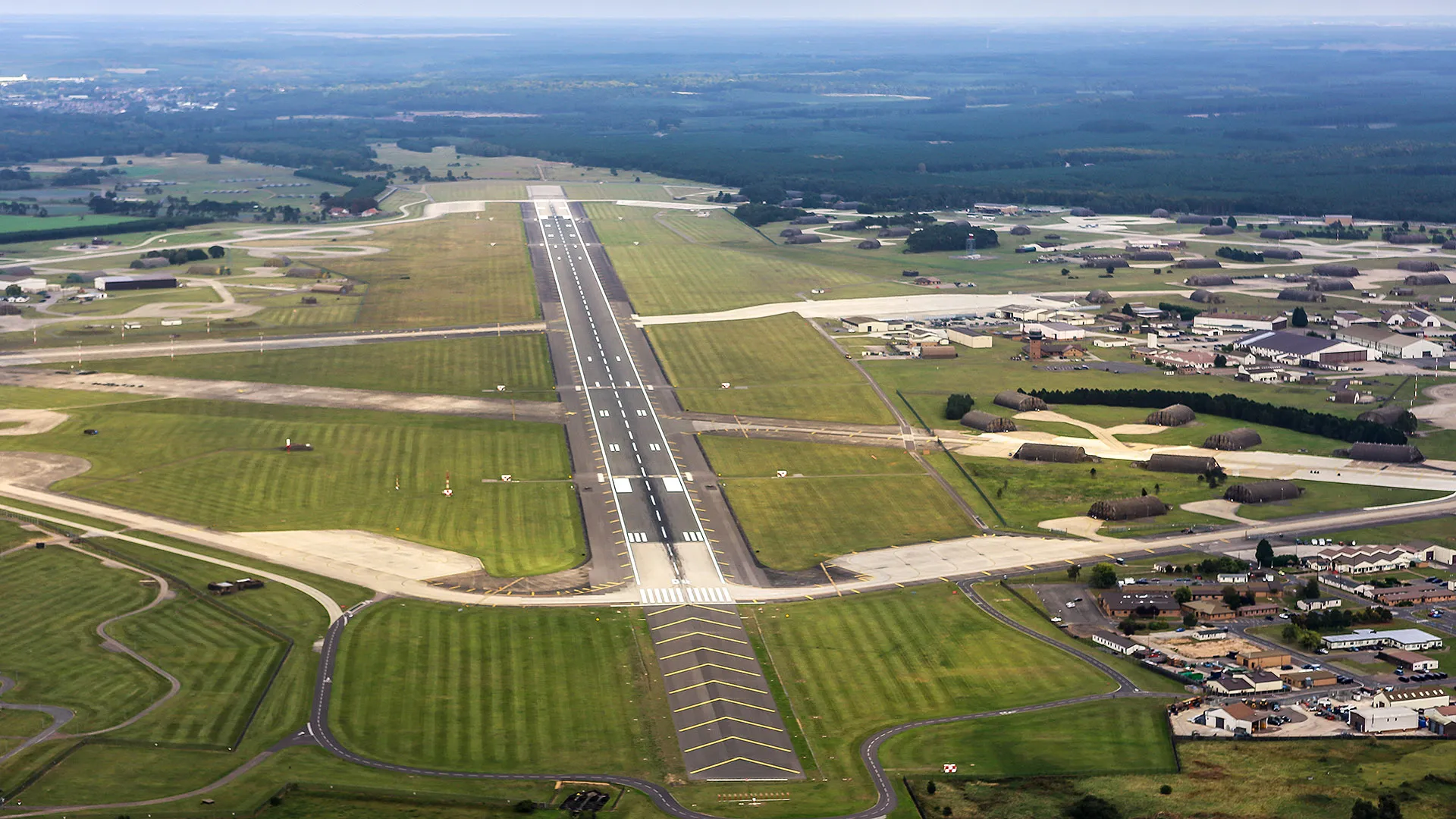
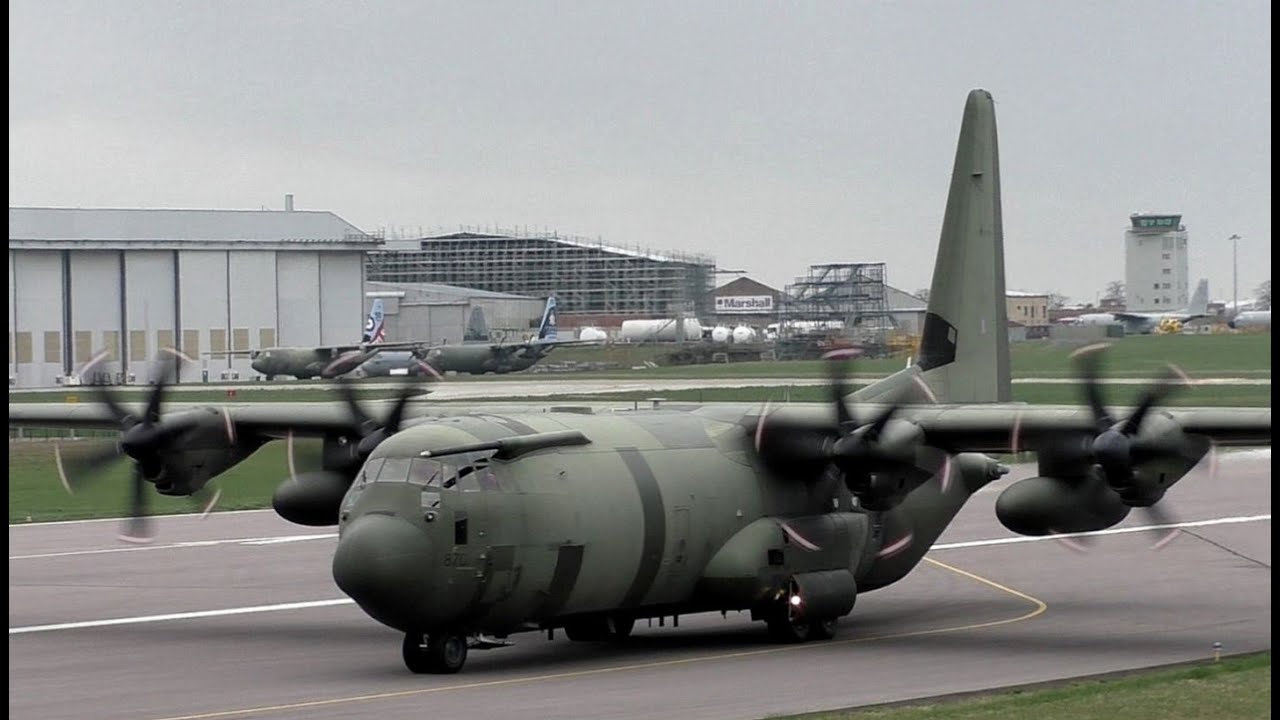
Cambridge Airport, established in 1938 to replace the original Fen Ditton airfield, was owned and operated by Marshall Aerospace, a Cambridge-based company with a long legacy of servicing civilian and military contracts. Among its facilities, Hangar 16 is a critical maintenance and storage hub for the C-130 Hercules aircraft, supporting military forces from sixteen nations including Austria, Bahrain, Belgium, Canada, France, Norway, Qatar, the UK and the USA.
Marshall Aerospace and Defence Group, through Atkins Global, appointed Osborn Associates to deliver fire protection engineering and design services for Hangar 16. The goal was resilient fire safety measures to safeguard the aircraft and the operational activity around them - and, as a WWII-era hangar, the building required fire suppression solutions that would comply with US and NFPA standards.
A full fire protection design across two stages.
Osborn Associates developed a UK Stage 2 and 3 fire protection design - equivalent to US IFC Pre-30% and 30%-60% - which included hydraulic calculations, basis of design reports, design criteria schedules, P&ID schematics and technical layouts for the water supply and suppression systems. The fire protection design incorporated foam-water deluge sprinklers at roof level, low-level under-wing foam-water monitors, and foam-water hose reel stations, a layered approach suited to the specific fire risk of a large aircraft hangar.
Both design stages were delivered within the project timeline, achieving client satisfaction. Osborn Associates also provided technical guidance during the tender period, evaluating and scoring contractor tender returns to help the client select a suitable contractor for the construction phase.
Modern fire suppression in a wartime structure, to dual standards.
Two things made this demanding. First, the building: a hangar dating from the Second World War, never conceived for the fire suppression infrastructure a modern aircraft maintenance facility requires, into which a comprehensive foam-water system had to be planned. Second, the standards: as a facility serving US and allied forces, the design had to satisfy US and NFPA requirements alongside the UK design stages.
Aircraft hangar fire protection is a specialism in its own right - the scale of the space, the fuel load of the aircraft and the need to protect both the airframe and the people working around it call for solutions such as under-wing monitors that have no equivalent in ordinary building design. Delivering both stages on programme, and supporting the client through contractor selection, reflected the depth of experience this kind of scheme demands.